Certificate in Physiology and Internal Load Management in Sport

€ 625 4 monthly payments of 156,25€

€ 625

4 monthly payments of 156,25€

Start date

Jan 10, 2026

Level: Introductorio
Delivery mode:
Duration: 4 months
Average dedication: 6/8 weekly hours
Delivered in:

Description

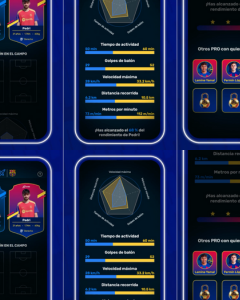
The Certificate in Physiology and Monitoring of Internal Load in Sport is designed to provide comprehensive training in understanding and managing internal load in physical activity. It leverages data from modern continuous wearable monitoring devices, applied to both sports performance and health.

In modern sports, a deep understanding of physiological foundations and the implementation of advanced monitoring technologies have become essential tools to optimize performance, quantify exercise load, and prevent fatigue and injuries in athletes across both individual and team disciplines.

This program combines a theoretical–practical approach, covering key topics such as exercise physiology, energy metabolism, fluid and electrolyte balance, as well as the use of wearables for continuous monitoring of parameters like lactate, dehydration, glycemia, heart rate, and heart rate variability, together with protocols such as DFA alpha1. Practical case studies and innovative strategies are also explored to personalize training load according to the specific needs of each athlete or discipline.

With a strong emphasis on real-world usability, this certificate equips participants with the skills to interpret data from monitoring devices and make informed decisions regarding training strategies and fluid replacement—fully personalized and adapted to each specific condition—maximizing positive impact on sports performance and overall health.

EXPERT ADVISORS

  • COURSES THAT COMPOSE |
  • COURSES THAT COMPOSE |
  • COURSES THAT COMPOSE |
  • COURSES THAT COMPOSE |
  • COURSES THAT COMPOSE |
  • COURSES THAT COMPOSE |
  • COURSES THAT COMPOSE |
  • COURSES THAT COMPOSE |
  • COURSES THAT COMPOSE |
  • COURSES THAT COMPOSE |

Module 1.1: Introduction to Exercise Physiology

Block 1: Fundamentals and Basic Concepts

Basic concepts of exercise physiology.

Definition and scope of exercise physiology.

Physiology vs. exercise physiology.

History and evolution of exercise physiology.

Origins and historical development.

Pioneers and key contributions in the field.

Importance of exercise physiology in sport and health.

Applications in sports performance.

Benefits for public health and preventive medicine.

Relationship between physiology, anatomy, and biomechanics in exercise.

How these fields interact to understand human movement.

Implications for training program design.

Block 2: Responses and Adaptations to Exercise

Physiological adaptations to training.

Cellular and systemic changes.

Differences between aerobic and anaerobic adaptations.

Acute responses to physical exercise.

Immediate changes during and after exercise.

Cardiovascular, respiratory, and metabolic responses.

Chronic responses to physical exercise.

Long-term adaptations with regular training.

Improvements in efficiency and functional capacity.

Factors influencing physiological responses.

Age, gender, and genetics.

Influence of nutrition and rest.

Module 1.2: Internal Load vs. External Load in Exercise

Block 1: Concepts and Fundamental Differences

Definition and differences between internal load and external load.

Conceptualization of both types of load.

Practical examples in the sports context.

Importance of internal load in training.

How it reflects the athlete’s real physiological stress.

Relationship with adaptation and performance.

Factors influencing an athlete’s internal load.

Physical and mental state.

Environmental and nutritional conditions.

Interaction between internal and external load.

How they influence each other.

Importance in training planning.

Block 2: Evaluation and Quantification of Internal Load

Traditional methods for evaluating internal load.

Heart rate, rating of perceived exertion (RPE).

Advantages and limitations.

Advanced technologies to measure internal load.

Wearables and biometric sensors.

Lactate analysis and biochemical markers.

Quantification of internal load in different sports.

Adaptation of methods depending on the discipline.

Case studies and practical applications.

Interpretation and application of the data obtained.

How to use the information to improve training.

Prevention of overtraining and injuries.

Module 1.3: Energy Metabolism and Sports Performance

Block 1: Energy Systems in Exercise

Energy systems during exercise (aerobic and anaerobic).

Description of ATP-PC, glycolytic, and oxidative systems.

Role of each system according to exercise intensity and duration.

Transition between energy systems.

How the body shifts between systems during exercise.

Factors influencing this transition.

Metabolic thresholds and their relevance in training.

Definition of aerobic and anaerobic thresholds.

Methods to determine thresholds.

Strategies to improve energy efficiency.

Specific training approaches.

Nutritional adaptations.

Block 2: Lactate and Muscle Fatigue

Role of lactate in energy metabolism.

Myths and realities about lactate.

Function as an energy source and metabolic signal.

Production and clearance of lactate.

Factors influencing levels during exercise.

Importance of training in lactate management.

Relationship between lactate and muscle fatigue.

How lactate affects performance.

Strategies to delay fatigue.

Practical applications in sports training.

Use of lactate measurement to plan training.

Success stories from elite athletes.

Module 1.4: Hydration and Electrolyte Balance in Exercise

Block 1: Regulation of Hydration Balance

Mechanisms regulating hydration balance.

Role of kidneys and hormones in hydration.

Role of the hypothalamus and thirst.

Impact of dehydration on sports performance.

Physiological and cognitive effects.

Levels of dehydration and their consequences.

Hydration strategies before, during, and after exercise.

Recommended amounts and frequency.

Use of sports drinks and electrolytes.

Factors affecting hydration needs.

Environmental temperature and humidity.

Duration and intensity of exercise.

Block 2: Electrolytes and Performance

Sodium and other electrolyte loss through sweat.

Sweat composition and individual variability.

Consequences of electrolyte loss.

Importance of electrolytes in muscle function.

Role in muscle contraction and nerve transmission.

Signs and symptoms of electrolyte imbalance.

Supplementation and electrolyte replacement.

Foods and beverages rich in electrolytes.

Use of supplements and their indications.

Monitoring hydration and electrolyte balance.

Methods to assess hydration status.

Available technologies and tools.

Module 2.1: Lactate and Its Role in Exercise

Block 1: Lactate Physiology

Physiology of lactate production and removal.

Metabolic pathways involved.

Key organs and tissues in its handling.

Factors affecting lactate levels.

Exercise intensity and duration.

Training status and fitness level.

Interpreting lactate levels during exercise.

Meaning of different concentrations.

Relationship with metabolic thresholds.

Importance of lactate across sports disciplines.

Endurance vs. power sports.

Specific adaptations.

Block 2: Measurement and Practical Applications

Traditional methods for measuring lactate.

Laboratory and field tests.

Advantages and limitations.

Advanced technologies for lactate measurement.

Portable devices and wearables.

Accuracy and reliability.

Applying lactate data in training.

Personalizing training load and recovery.

Detecting overtraining.

Case studies and practical experiences.

Implementation in elite programs.

Outcomes achieved.

Module 2.2: Glycemia and Sports Performance

Block 1: Regulation of Blood Glucose

Regulation of blood glucose at rest and during exercise.

Involved hormones (insulin, glucagon, adrenaline).

Effect of exercise on insulin sensitivity.

Carbohydrate metabolism during exercise.

Use of muscle and liver glycogen.

Importance of glucose availability.

Effects of hypoglycemia on performance.

Symptoms and associated risks.

Prevention strategies.

Effects of hyperglycemia on performance.

Impact on athletes with diabetes.

Management and control during physical activity.

Block 2: Continuous Glucose Monitoring (CGM)

Importance of continuous glucose monitoring.

Benefits for performance and health.

Use in diabetic and non-diabetic athletes.

Available monitoring technologies.

Continuous glucose monitoring (CGM) devices.

Integration with other wearables and apps.

Integrating glucose data into training programs.

Personalizing nutrition plans.

Adjusting training load based on glucose levels.

Current studies and evidence.

Impact on performance improvement.

Practical cases and recommendations.

Module 2.3: Heart Rate Variability (HRV) and DFA Alpha1

Block 1: HRV Fundamentals

Concepts and fundamentals of heart rate variability (HRV).

Definition and physiological significance.

Indicator of autonomic balance (sympathetic vs. parasympathetic).

Factors affecting HRV.

Stress, rest, nutrition, and training.

Inter- and intra-individual variability.

Methods for HRV measurement and analysis.

Techniques and devices.

Common parameters (RMSSD, SDNN).

Applications of HRV in sport.

Monitoring recovery.

Detecting fatigue and overtraining.

Block 2: Introduction to DFA Alpha1 Analysis

Concept and fundamentals of DFA Alpha1.

Origin in chaos theory and fractals.

Interpretation in the physiological context.

Physiological meaning of DFA Alpha1.

Relationship with exercise intensity.

Indicator of aerobic thresholds.

Technologies and software for DFA Alpha1 analysis.

Available tools and their use.

Integration with wearables and platforms.

Practical applications in training control.

Load optimization.

Recent studies and trends.

Module 2.4: Pulse and Other Cardiovascular Variables

Block 1: Pulse Measurement and Analysis

Techniques for measuring pulse and heart rate.

Manual and electronic methods.

Use of heart rate monitors.

Relationship between heart rate and internal load.

How it reflects physical effort.

Factors that can influence heart rate.

Interpreting resting and exercise heart rate.

Indicators of fitness.

Health warning signs.

Heart rate variability across the day.

Circadian rhythms and their impact.

Block 2: Using Pulse in Monitoring

Using pulse to monitor physiological stress.

Identifying levels of stress and recovery.

Applications in injury prevention.

Integrating cardiovascular data with other metrics.

Combining with HRV, lactate, and glucose.

Holistic analysis of the athlete’s status.

Wearable technologies for cardiovascular tracking.

Devices and their accuracy.

Current market trends.

Personalizing training based on pulse data.

Adjusting intensities and volumes.

Success cases and recommended protocols.

Module 3.1: Introduction to Wearable Technologies in Sport

Block 1: Evolution and Types of Wearables

Evolution and current state of sports wearables.

History and development of portable technology.

Impact on sport and physical activity.

Types of available devices and sensors.

Smartwatches, chest straps, sweat sensors.

Differences and functionalities of each type.

Major manufacturers and products on the market.

Comparison of leading brands.

Recent innovations.

Integration with digital applications and platforms.

Data synchronization and cloud analysis.

Sports communities and social networks.

Block 2: Advantages and Challenges of Wearables

Advantages of implementing wearables.

Real-time monitoring.

Training personalization and adaptation.

Current challenges and limitations.

Accuracy and reliability of data.

Costs and accessibility.

Data privacy and security considerations.

Protection of personal information.

Current regulations and standards.

Athlete adoption and adherence.

Factors influencing continuous use.

Education and training in technology.

Module 3.2: Wearables for Measuring Lactate, Dehydration, and Sodium Loss

Block 1: Technologies for Lactate Measurement

Emerging technologies for lactate measurement in sweat.

Electrochemical and optical sensors.

Operating principles.

Devices available on the market.

Analysis of commercial products.

Studies on accuracy.

Practical applications in training.

Monitoring thresholds and loads.

Real-time feedback.

Limitations and technical challenges.

Interference and calibration.

Influence of external factors.

Block 2: Hydration and Electrolyte Sensors

Real-time hydration and electrolyte sensors.

Technologies to measure fluid loss.

Monitoring sodium and other minerals.

Accuracy and reliability under real conditions.

Scientific validation of devices.

Factors affecting measurement accuracy.

Applications in endurance and high-intensity sports.

Prevention of cramps and dehydration.

Personalization of hydration strategies.

Future of portable biochemical sensors.

Integration with other physiological parameters.

Potential in medicine and public health.

Module 3.3: Continuous Glucose Monitoring (CGM) with Wearables

Block 1: CGM Devices

Principles of CGM operation.

Subcutaneous and non-invasive sensors.

Interstitial measurement technology.

Available devices and key features.

Brand and model comparisons.

Duration, calibration, and connectivity.

Integration with mobile devices and wearables.

Personalized alerts and notifications.

Analysis of glucose trends and patterns.

Benefits for diabetic and non-diabetic athletes.

Metabolic control and performance.

Prevention of hypoglycemia and hyperglycemia.

Block 2: Applications in Sports Training

Integration of glucose data into training programs.

Adjusting loads based on energy availability.

Optimization of nutritional strategies.

Personalization of carbohydrate intake.

Timing and type of carbohydrates consumed.

Impact on recovery and performance.

Case studies and practical experiences.

Endurance athletes and team sports.

Results and observed improvements.

Ethical and privacy considerations.

Management of sensitive data.

Consent and confidentiality.

Module 3.4: Wearables for HRV, DFA Alpha1, and Pulse

Block 1: Technologies for Measuring HRV and DFA Alpha1

Devices and sensors for HRV measurement.

Chest straps vs. optical sensors.

Accuracy and reliability.

Mobile apps and cardiac data analysis software.

Tools for interpreting HRV and DFA Alpha1.

Features and usability.

Integration with training platforms.

Synchronization with programs and routines.

Longitudinal performance analysis.

Innovations in DFA Alpha1 measurement.

Development of algorithms and non-invasive methods.

Scientific validation.

Block 2: Use of Wearables in Overtraining Prevention

Monitoring signs of fatigue and stress.

Early identification of imbalances.

Adjustments in training volume and intensity.

Personalized recovery programs.

Relaxation techniques and active rest.

Tracking intervention effectiveness.

Athlete and coach education.

Correct interpretation of data.

Informed decision-making.

Studies and evidence on effectiveness.

Results across different sports disciplines.

Recommendations for implementation.

Module 4.1: Integration of Wearables into Training Programs

Block 1: Incorporation Strategies

Strategies to integrate monitoring into daily training.

Selection of appropriate devices.

Establishment of usage routines.

Training in device usage and data interpretation.

Education for athletes and coaches.

Interpretation of key metrics.

Personalization and adaptation of training load based on data.

Adjustment of intensities and volumes.

Individual responses to load.

Continuous communication and feedback.

Tools for information sharing.

Strengthening the coach–athlete relationship.

Block 2: Monitoring and Adjusting Goals

Tracking progress and adjusting objectives.

Periodic performance evaluations.

Redefinition of short- and long-term goals.

Using data for motivation and commitment.

Visualization of improvements and achievements.

Gamification and personal challenges.

Integration with nutrition and recovery plans.

Synchronization of multidisciplinary strategies.

Optimization of overall well-being.

Case study analysis of successful implementations.

Examples in individual and team sports.

Lessons learned and best practices.

Module 4.2: Optimizing Sports Performance with Physiological Data

Block 1: Performance Analysis and Improvement

Data analysis to enhance performance and recovery.

Identification of patterns and trends.

Use of analytics and big data in sport.

Injury prevention through internal load control.

Detection of risks and overload indicators.

Implementation of preventive measures.

Optimization of training periodization.

Planning based on physiological responses.

Adaptation to competitions and key events.

Success stories across sports disciplines (athletics, cycling, soccer, etc.).

Impact on high-performance outcomes.

Block 2: Innovation and Future Development

Integration of artificial intelligence into data analysis.

Automated predictions and recommendations.

Advanced training personalization.

Interdisciplinary collaboration in sport.

Joint work of scientists, coaches, and technologists.

Development of innovative solutions.

Challenges and opportunities in data management.

Storage, security, and privacy.

Ethical use of personal information.

Emerging trends in performance optimization.

Augmented and virtual reality.

Biotechnology and genetic enhancements.

Module 4.3: Health and Well-Being through Continuous Monitoring

Block 1: Applications in Populations with Medical Conditions

Use of wearables in populations with medical conditions (e.g., diabetes).

Monitoring vital signs and specific parameters.

Improved disease management.

Promotion of healthy habits and self-control.

Encouragement of regular physical activity.

Education on health and wellness.

Rehabilitation and recovery programs.

Real-time tracking of progress.

Adaptation of exercises and therapies.

Collaboration with healthcare professionals.

Integration of data into medical records.

Telemedicine and remote consultations.

Block 2: Ethical and Privacy Considerations

Protection of personal and sensitive data.

Regulations and standards (GDPR, HIPAA).

Best practices in data management.

Informed consent and transparency.

Clear communication on data use.

Users’ rights and access to information.

Ethical implications of constant monitoring.

Balancing benefits and potential risks.

Avoiding over-dependence on technology.

Social responsibility and equitable access.

Reducing technological gaps.

Inclusion of vulnerable populations.

Module 4.4: The Future of Wearables in Exercise Physiology

Block 1: Emerging Trends and Technological Advances

Development of more advanced and precise sensors.

Nanotechnology and smart materials.

Implantable and biocompatible devices.

Integration of artificial intelligence and machine learning.

Predictive analysis and real-time decision-making.

Virtual assistants and adaptive training.

Expansion into augmented and virtual reality.

Immersive training experiences.

Improvements in technique and motor skills.

Convergence with other technological fields.

Internet of Things (IoT) in sport.

5G communications and enhanced connectivity.

Block 2: Challenges and Opportunities for Research and Sports Practice

Need for robust scientific studies.

Validation of technologies and methodologies.

Collaboration between academia and industry.

Adaptation to different levels and sporting contexts.

From elite athletes to amateurs.

Mass personalization and accessibility.

Socioeconomic impact and commercialization.

Business models and the global market.

Patents and intellectual property.

Long-term vision and sustainability.

Effects on public health and quality of life.

Environmental responsibility in device production.

Learn to

  • Technical Competencies Identify, quantify, and interpret key physiological parameters associated with internal load: lactate, glycemia, heart rate, HRV, hydration, and electrolytes. Use next-generation wearable technologies to monitor athletes in real time and personalize training plans. Design and implement internal load monitoring protocols adapted to different sports disciplines, performance levels, and objectives. Analyze and apply physiological data to optimize physical preparation, prevent overtraining, and reduce injury risk. Analytical Competencies Integrate data from multiple sources (sensors, training software, manual logs) into analytical models applicable to sports performance. Evaluate data to make strategic, evidence-based decisions. Develop technical reports and summaries with relevant physiological indicators for athletes, coaches, and interdisciplinary teams. Transversal Competencies Collaborate effectively with coaches, physicians, nutritionists, physiotherapists, and analysts. Apply critical and analytical thinking to solve complex problems in high-performance contexts. Adapt to emerging technologies and trends in sports, including artificial intelligence, big data, and predictive systems.

Certify your skills

Thanks to our integration with remote supervision technologies, the Verified Certificate of Approval:

  • Guarantee transparency of the certification process.
  • Validates the identity of the certificate holder.
  • Accredits the acquisition of specific competencies and skills.

What does it include?

24-HOUR ACCESS TO STUDY MATERIAL, FROM ANYWHERE, ON ANY DEVICE
ACCOMPANIMENT, MONITORING AND VIRTUAL SUPPORT FROM AN EXPERT IN THE FIELD
ACTIVITIES AND ASSESSMENTS WITH PERSONALIZED FEEDBACK
DISCUSSION FORUMS AND INTERACTION WITH COLLEAGUES FROM ALL OVER THE WORLD
CERTIFICATE ISSUED BY BARÇA INNOVATION HUB AND ENDORSED BY THE CORRESPONDING INSTITUTION.
SELF-ASSESSMENT TO MEASURE YOUR LEARNING PROGRESS

Education

ALL PROGRAMS

4 monthly payments of 156,25€

€ 625